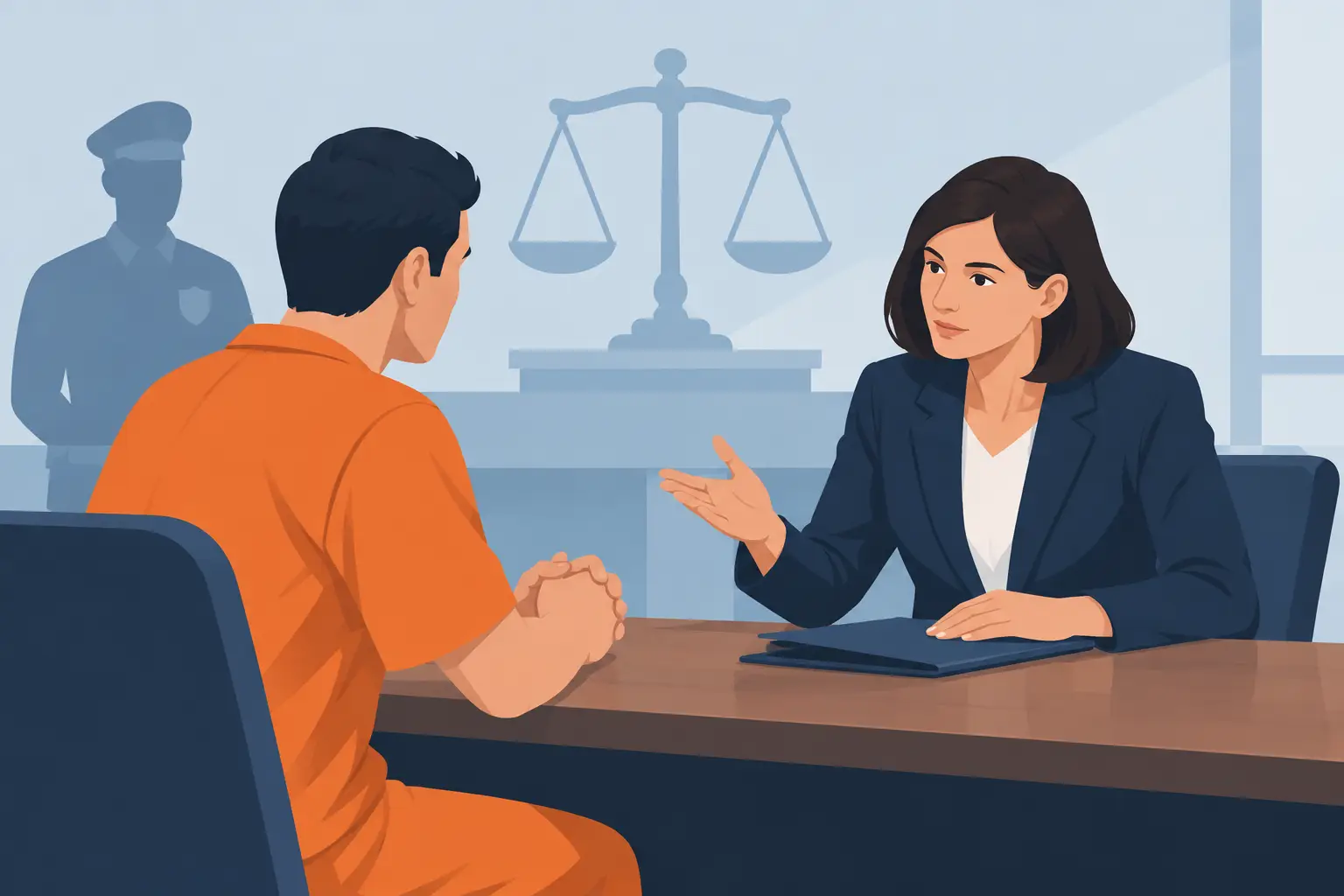
A call from federal agents or a prosecutor can create immediate pressure to explain, cooperate, or make a decision. So, what is a reverse proffer? It is a meeting in which prosecutors present some of their evidence to a suspect or defendant, usually through defense counsel, to encourage a guilty plea, cooperation, or another negotiated resolution.
For someone facing a federal investigation in Miami or the Southern District of Florida, a reverse proffer can be a critical moment. It may reveal that the government has built a stronger case than expected. It may also expose weaknesses, gaps, or issues that require careful investigation before any decision is made. The value of the meeting depends on what the government discloses, what it wants, and how prepared the defense is to evaluate the information.
What Is a Reverse Proffer?
A traditional proffer generally occurs when a person under investigation provides information to prosecutors or law enforcement under a written proffer agreement. A reverse proffer turns the direction around: the government provides information to the defense.
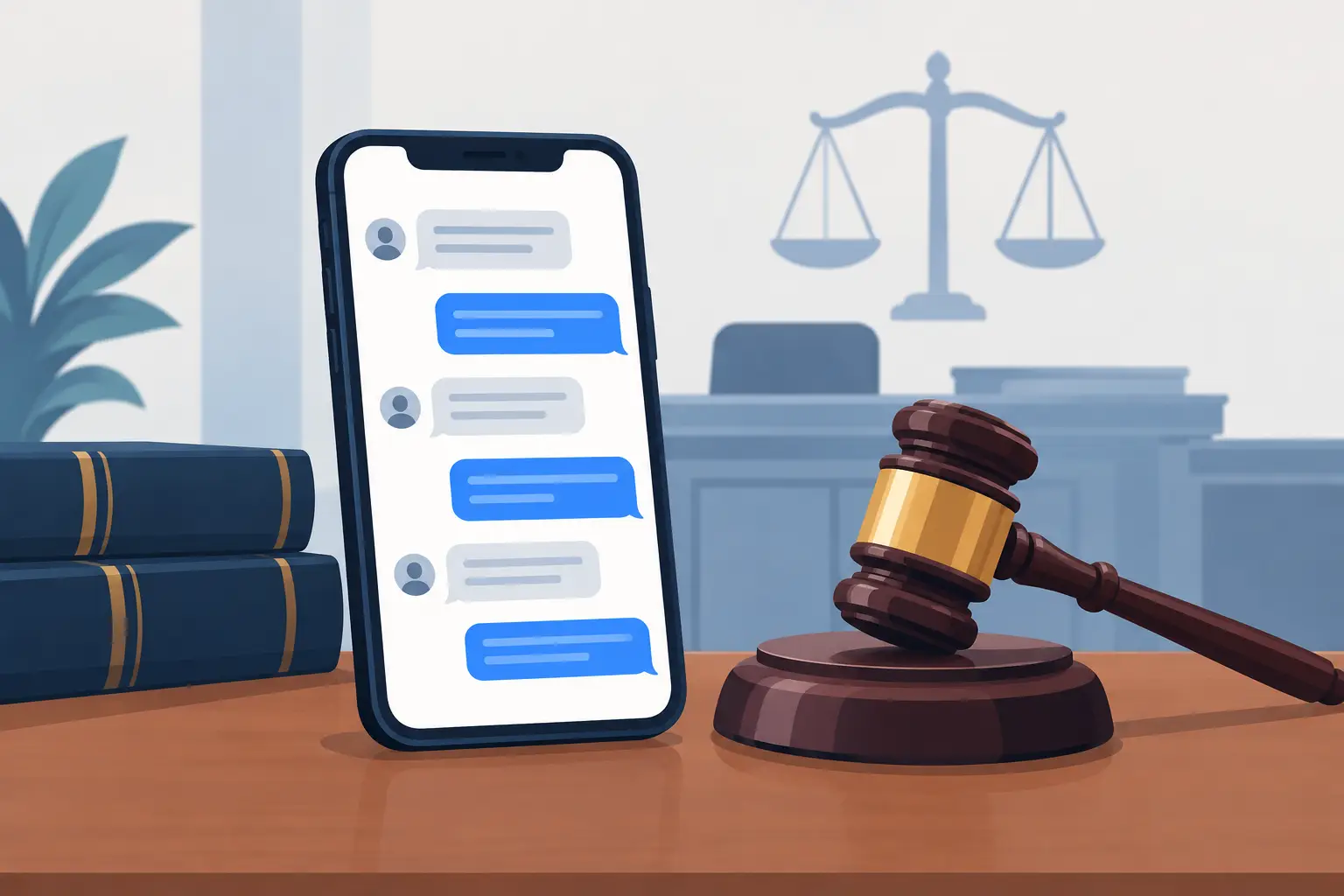
At a reverse proffer, prosecutors may outline the alleged conduct and show selected evidence. This can include witness statements, text messages, recorded calls, financial records, surveillance, seized drugs, photographs, search warrant evidence, or records obtained from cooperating witnesses. In a complex fraud, money laundering, drug trafficking, conspiracy, or RICO investigation, the presentation may involve timelines, charts, transaction summaries, or excerpts from a much larger investigation.
The meeting is not a trial, and it is not necessarily formal discovery. Prosecutors are not required to show every piece of evidence they possess. They may present evidence they believe is particularly persuasive while withholding information that could reveal an ongoing investigation, endanger a witness, or affect another prosecution.
Why Prosecutors Offer a Reverse Proffer
The government often uses a reverse proffer for practical reasons. Prosecutors may believe that once a suspect sees the evidence, that person will be more willing to plead guilty, cooperate against others, or accept a proposed plea agreement.
This is especially common in federal investigations involving multiple defendants. A prosecutor may want to assess whether an individual can provide useful, truthful, and corroborated information about a larger alleged scheme. In other cases, the government may use the meeting to avoid a lengthy trial by demonstrating that it believes it can prove the case.
A reverse proffer can occur before charges are filed, after an arrest, after an indictment, or while plea negotiations are underway. There is no single required procedure. The timing matters greatly. Before an indictment, a lawyer may have more opportunity to present defenses, correct factual misunderstandings, or negotiate the scope of potential charges. After an indictment, the discussion may focus more directly on trial exposure, plea terms, sentencing considerations, and cooperation.
What a Reverse Proffer Does Not Mean
A reverse proffer does not mean the government has proved guilt. Prosecutors may have substantial evidence, but evidence still must be tested. Witnesses may have credibility problems. Digital communications can be incomplete or misleading without context. Financial records may support more than one interpretation. Searches, seizures, interviews, and surveillance may raise constitutional or legal challenges.
It also does not mean a defendant must immediately accept a plea offer or agree to cooperate. The defense should have time to assess the presentation, investigate the claims, compare the alleged facts with the actual evidence, and consider the consequences of every available option.
In some cases, the government’s presentation may identify issues that demand urgent attention, such as a potential arrest, asset seizure, indictment, or approaching deadline. In others, it may confirm that the prosecution’s theory is weaker or narrower than initially feared. No two cases should be evaluated by the same formula.
Reverse Proffer vs. a Defendant’s Proffer
The difference between a reverse proffer and a defendant proffer is important because the risks are very different.
In a reverse proffer, the government is speaking. The defendant and counsel may listen, ask questions, and reserve their position. The defendant should not assume that an informal conversation is protected merely because the meeting is called a reverse proffer.
In a defendant proffer, the defendant provides information. Before participating, defense counsel should carefully review the written agreement governing the meeting. These agreements often limit how direct statements may be used, but they can contain significant exceptions. For example, information may lead investigators to independent evidence, and statements may be used in certain circumstances if the defendant later gives inconsistent testimony or arguments.
A person should never confuse a reverse proffer with permission to explain their side of the story without legal risk. Federal agents and prosecutors may ask whether the person wants to respond or cooperate. A decision to speak should be made only after counsel reviews the facts, the government’s request, and any written terms.
How Defense Counsel Prepares for a Reverse Proffer
Preparation begins before anyone enters the meeting. An experienced criminal defense lawyer will first try to understand the investigation’s posture: whether charges are expected, whether other people have been arrested or are cooperating, the possible statutes involved, and whether the government has proposed a plea or cooperation path.
Counsel should also establish the ground rules. Will the client attend? Is the meeting strictly a presentation by the government? Will agents be present? Is the government asking for a response that day? Are there written materials, recordings, or other evidence that can be reviewed afterward? The answers can shape the defense strategy.
During the meeting, counsel evaluates more than the documents or recordings shown. The presentation may reveal how prosecutors frame the alleged scheme, which witnesses they consider central, what conduct they view as criminal, and whether they are tying the client to a broader conspiracy. These details can affect decisions about pre-indictment advocacy, plea negotiations, investigation, suppression issues, trial preparation, and sentencing exposure.
The defense should not treat the prosecutor’s account as the final account. A careful lawyer compares it against the client’s knowledge, available records, witness information, and the legal elements the government would have to prove beyond a reasonable doubt at trial.
Questions to Consider After a Reverse Proffer
The first question is usually not, “Should I plead guilty?” It is, “What does the government actually have, and what can it legally prove?” That requires a disciplined assessment of the evidence rather than a reaction to the pressure of the meeting.
A defendant and counsel may need to consider whether the government’s evidence appears admissible, whether the alleged conduct supports the charged or threatened offense, whether others are shifting blame, and whether a proposed resolution accurately reflects the person’s role. The potential consequences also matter. Federal sentencing can involve the advisory Sentencing Guidelines, statutory mandatory minimums in some drug cases, financial loss calculations, restitution, forfeiture, immigration consequences, professional licensing issues, and supervised release.
Cooperation may be discussed, but it is never a simple decision. It can carry meaningful benefits in some circumstances, yet it also requires truthful, complete information and can create personal, legal, and practical risks. A person should not promise cooperation merely to gain time or relieve immediate pressure.
Can You Decline a Reverse Proffer?
Generally, yes. A reverse proffer is typically voluntary. Prosecutors may still proceed with an indictment or other investigative steps whether or not the defense accepts the meeting.
There are situations in which listening may be useful, particularly when counsel needs to assess the government’s position before advising a client. But declining can also be reasonable when the timing, conditions, or strategic risks are unfavorable. The decision should be based on the facts of the case, not on a belief that attendance itself is required.
If federal agents, a prosecutor, or another investigator contacts you about a reverse proffer, do not make statements, attempt to negotiate alone, or assume that a quick explanation will end the matter. Speak with qualified criminal defense counsel promptly. Early legal guidance can help protect your rights and ensure that any decision is informed rather than rushed.
Last updated: October 31, 2026
Important Disclaimer
This article is for general informational purposes and does not constitute legal advice. Reading this article does not create an attorney–client relationship. If you need legal assistance, please contact us for a Free Consultation.