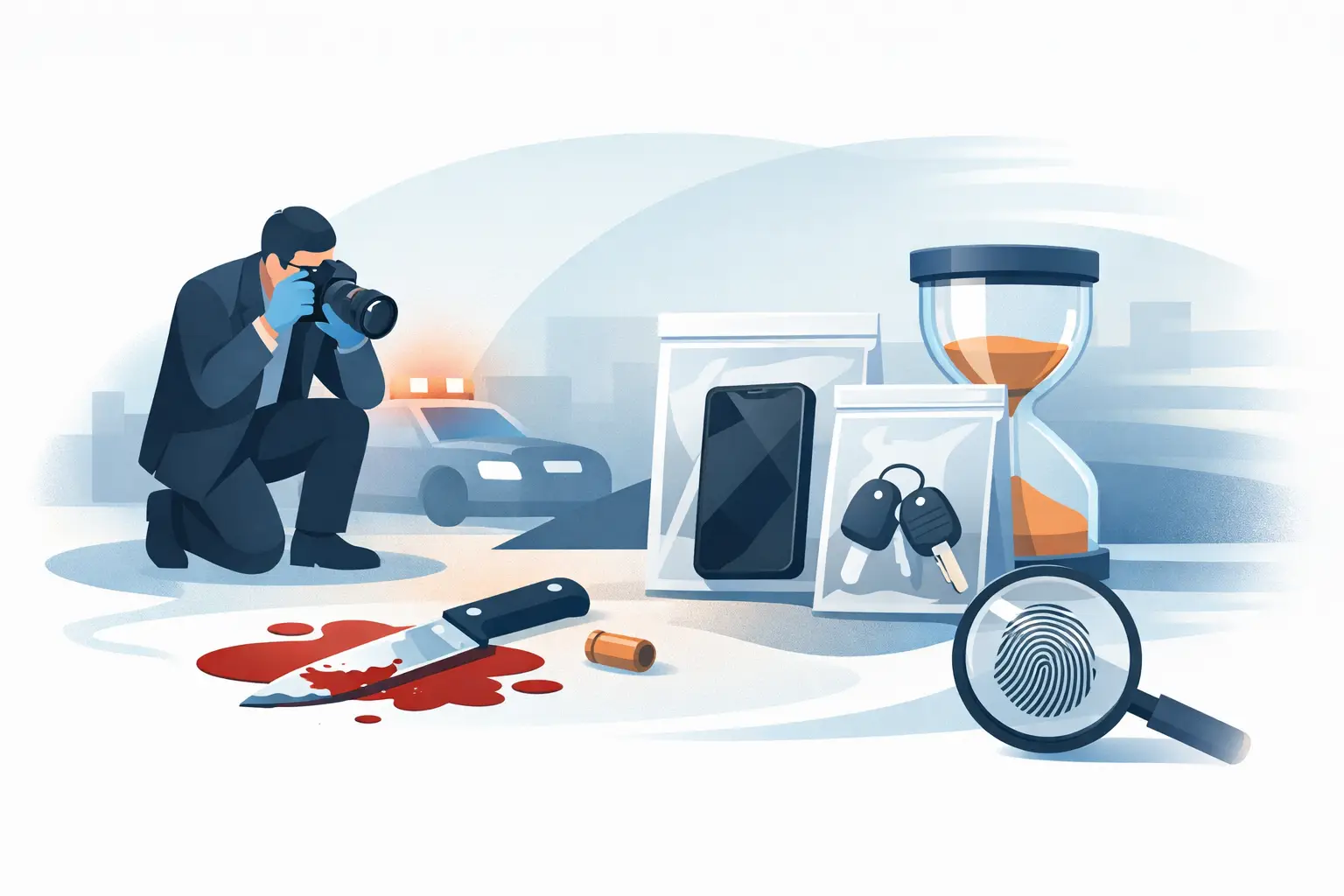
A surveillance camera can overwrite its footage within days. A rideshare account can change, a witness can move, and a phone can be lost, damaged, or remotely wiped. When your freedom, career, assets, or immigration status may be on the line, moving quickly to preserve criminal evidence can change what your defense is able to prove later.
The first hours after an arrest, accusation, or law enforcement contact are not merely stressful. They are strategically significant. Prosecutors and investigators will build their case from records, witnesses, physical items, and digital data. A defense must be prepared to identify the evidence that supports your account, exposes weaknesses in the government’s theory, or shows that critical context is missing.
Why Evidence Can Disappear Before a Case Begins
Many people assume police, prosecutors, businesses, and digital platforms will retain every relevant record. That assumption is risky. Some material is retained only for a short period under routine business practices. A convenience store may record over video after a week or two. A hotel may have a limited retention cycle. A business may delete keycard logs, vehicle telematics, or internal communications under ordinary procedures.
Witness evidence can disappear just as quickly. A person who saw what occurred may not remember precise details months later. Someone may become difficult to locate, leave the country, or become reluctant to speak after being contacted by law enforcement. In a contested criminal case, the difference between a vague recollection and a timely, documented witness account can be substantial.
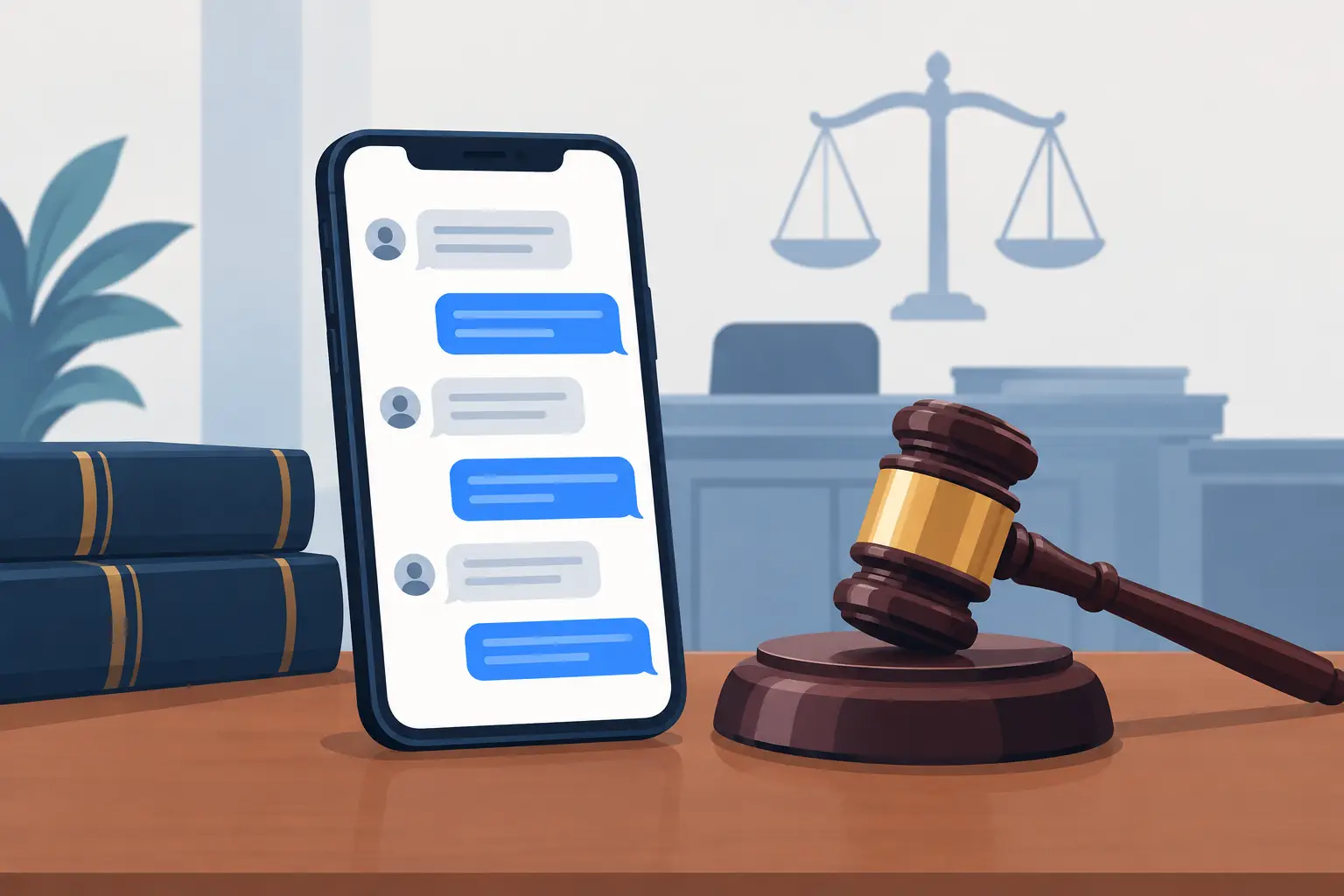
Digital evidence presents its own problems. Text messages, social media content, location information, cloud files, call logs, and app data may be altered or deleted. At the same time, trying to gather or change digital information on your own can create serious legal exposure. The goal is preservation, not manipulation.
What Criminal Evidence May Matter to Your Defense
Evidence is broader than DNA, drugs, firearms, or items taken from a scene. In many Miami-Dade and federal criminal matters, the most consequential evidence is digital, financial, or documentary.
It may include video from nearby businesses, residences, traffic cameras, building lobbies, parking garages, or law enforcement body-worn cameras. It may include 911 calls, dispatch logs, police reports, jail calls, booking records, breath-test records, laboratory reports, or GPS data. In fraud, conspiracy, money laundering, and RICO investigations, emails, corporate records, bank documents, invoices, calendars, travel records, and communications may provide the necessary context that a selective government presentation leaves out.
Evidence may also point away from a defendant. A receipt can establish location. Access records can show that another person controlled a location or account. A complete message thread can reveal that an isolated text was misunderstood. Medical records can explain an alleged injury. A witness can contradict an officer’s version of an encounter.
The evidence is not always favorable. That does not mean it should be destroyed, hidden, edited, or “cleaned up.” Destroying potential evidence can lead to additional charges, damaged credibility, adverse inferences, and far fewer options in court. A criminal defense lawyer can assess difficult evidence confidentially and develop a lawful strategy. You should never make that decision alone.
How to Preserve Criminal Evidence Without Creating a New Problem
The safest first step is to write down what happened while the details are fresh. Create a private, factual timeline for your attorney: dates, times, locations, names, phone numbers, vehicles, cameras, communications, and potential witnesses. Do not embellish. Do not speculate about facts you do not know. A clear record helps counsel recognize preservation issues before a deadline passes.
Preserve original materials in their existing form. Keep relevant texts, emails, photographs, voicemails, receipts, documents, and call records. Avoid deleting messages, resetting devices, changing account settings, or editing files. Screenshots can be useful as a reference, but they may not preserve metadata, complete threads, or the original source. Original devices and original accounts often matter.
If you possess physical evidence, handle it as little as possible. Do not clean, repair, repackage, test, or move an item unless necessary for safety. Note where it was found and who has had access to it. The ability to show where an item came from and whether it was altered is often central to its value in court.
Do not contact alleged victims, cooperating witnesses, codefendants, or potential witnesses to compare stories, ask them to delete information, or persuade them not to cooperate. Even a message that feels innocent can be interpreted as intimidation, witness tampering, obstruction, or a violation of bond conditions. Let counsel determine whether and how witness contact should occur.
Preserve, Do Not Investigate
There is a critical difference between identifying possible evidence and conducting your own investigation. You may remember that a restaurant, apartment building, or business had a camera pointed toward an important event. Write down the address, camera location, and approximate time. Then provide that information to your attorney promptly.
Do not trespass to obtain footage. Do not access someone else’s phone, email, cloud account, workplace files, or social media account. Do not record private conversations unless you understand the applicable law. Florida’s recording laws and the rules governing electronic evidence can create complications quickly.
An experienced defense team can decide whether to seek voluntary preservation, issue a lawful request, retain an investigator, pursue a subpoena when appropriate, or raise the issue with the court. The right approach depends on the source of the evidence, the stage of the case, and the risk that a request could alert others or affect the defense strategy.
Act Quickly on Video, Data, and Third-Party Records
Time-sensitive records deserve immediate attention. Video is frequently the first priority because it may be overwritten automatically. That includes not only footage from the alleged incident location but also cameras along the route to and from it. Surrounding footage may show who arrived, who left, whether an officer’s account matches the video, or whether events occurred outside the frame selected by the government.
Third-party records can require a more formal process. A bank, phone carrier, employer, hospital, hotel, or online platform may not release information simply because a person asks. Some records are protected by privacy laws; others may be available only through a subpoena, court order, or discovery process. A preservation request may help prevent routine deletion, but it is not a guarantee that the evidence will be produced or admitted.
This is why early legal representation matters. Counsel can identify the records that are actually relevant, pursue them through appropriate channels, and avoid broad or poorly timed requests that reveal the defense theory. In a federal investigation, particularly in the Southern District of Florida, the volume of electronic and financial evidence can be immense. Strategic focus matters as much as speed.
If Law Enforcement Has Your Phone or Property
If officers seize a phone, computer, vehicle, cash, documents, or other property, do not interfere with the seizure or attempt to retrieve it yourself. Ask for a receipt or inventory if one is available. Record the agency involved, the date, the officers’ names if known, and whether a warrant was shown or mentioned.
Do not consent to a search just because officers ask. Do not lie, resist, or attempt to conceal evidence. Calmly state that you want to speak with a lawyer and do not wish to answer questions. Whether a search, seizure, warrant, or forensic examination was lawful can become a major defense issue, but it must be evaluated from accurate facts.
Property seizures also create urgent financial concerns. In forfeiture and seizure cases, deadlines can be short, and failure to act can jeopardize the ability to challenge the government’s effort to keep cash, vehicles, or other assets. Preserve every notice, receipt, inventory sheet, and court document you receive.
Preserve the Full Context, Not Just the Best Fact
A defense built on selective material is vulnerable. If a text message helps you, preserve the entire conversation. If video supports your account, identify the minutes before and after the event. If a financial record is relevant, retain the associated invoices, emails, and account statements that explain the transaction.
Context can be the difference between an innocent explanation and a damaging inference. It can also reveal facts that require careful legal planning. Your attorney needs the complete picture to protect you effectively, assess exposure honestly, and prepare for negotiation or trial without surprises.
The Law Offices of Paul D. Petruzzi, P.A. approaches serious criminal matters with early intervention and trial readiness. If you are under investigation, arrested, served with a subpoena, or worried that critical evidence will disappear, do not wait for the case to become more difficult. Preserve what you lawfully can, say as little as possible to investigators, and get experienced defense counsel involved before important evidence is gone.
Last updated: August 29, 2026
Important Disclaimer
This article is for general informational purposes and does not constitute legal advice. Reading this article does not create an attorney–client relationship. If you need legal assistance, please contact us for a Free Consultation.