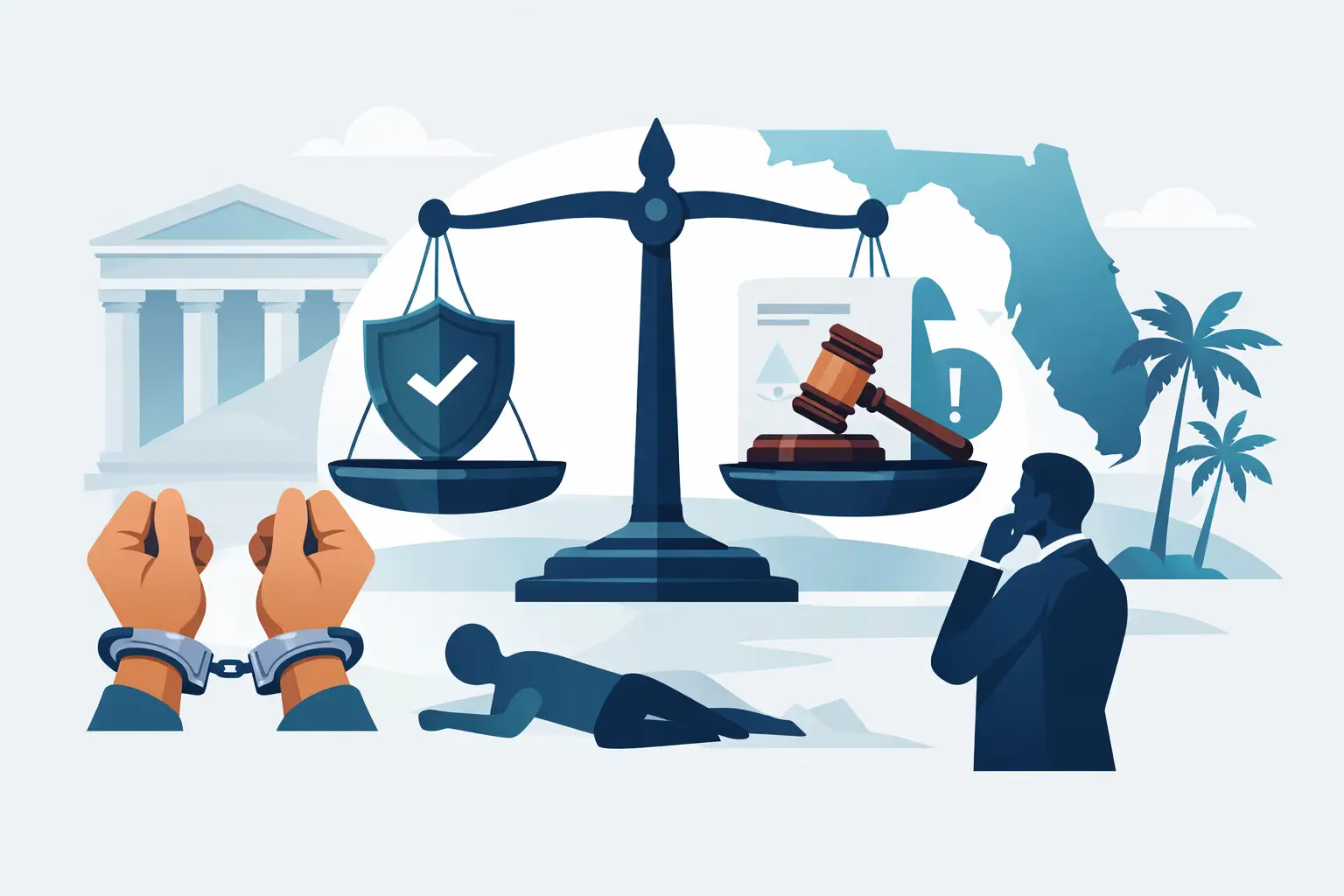
A screenshot can look decisive until someone asks the questions that matter: Who created it? Which device produced it? Was the conversation complete? Has the file been edited, forwarded, downloaded, or altered since? In a criminal case, challenging digital evidence authenticity can be the difference between an allegation that appears persuasive and proof the government can actually use.
Phones, cloud accounts, surveillance systems, social media platforms, vehicle data, and financial applications generate enormous amounts of information. Prosecutors often present that information with an air of certainty. But digital evidence is not self-proving merely because it appears on a screen. A serious defense begins by testing whether the evidence is genuine, reliable, legally obtained, and fairly interpreted.
Why Digital Evidence Can Be Vulnerable
Digital records can be powerful evidence, but they are also easy to misunderstand. A text-message screenshot may omit prior messages that change its meaning. A social media account can be accessed by more than one person. A video clip may lack the seconds before or after the incident, when context is most important. Location data may show where a device was, not necessarily where its owner was.
Authenticity is the threshold issue. Before digital material should be treated as what the prosecution claims it is, there must be a sound basis for connecting it to the alleged source and showing it has not been materially changed. The exact legal foundation varies by the court, the type of evidence, and whether the case is in Florida state court or federal court. The central defense question remains constant: Can the government prove this file is what it says it is?
That question has practical consequences in cases involving alleged threats, fraud, drug transactions, conspiracy, stalking, sexual offenses, theft, financial crimes, and probation violations. Digital evidence often becomes the backbone of the prosecution's timeline. If its source, completeness, or integrity is doubtful, the entire theory of the case may need to be reexamined.
Challenging Digital Evidence Authenticity Starts Early
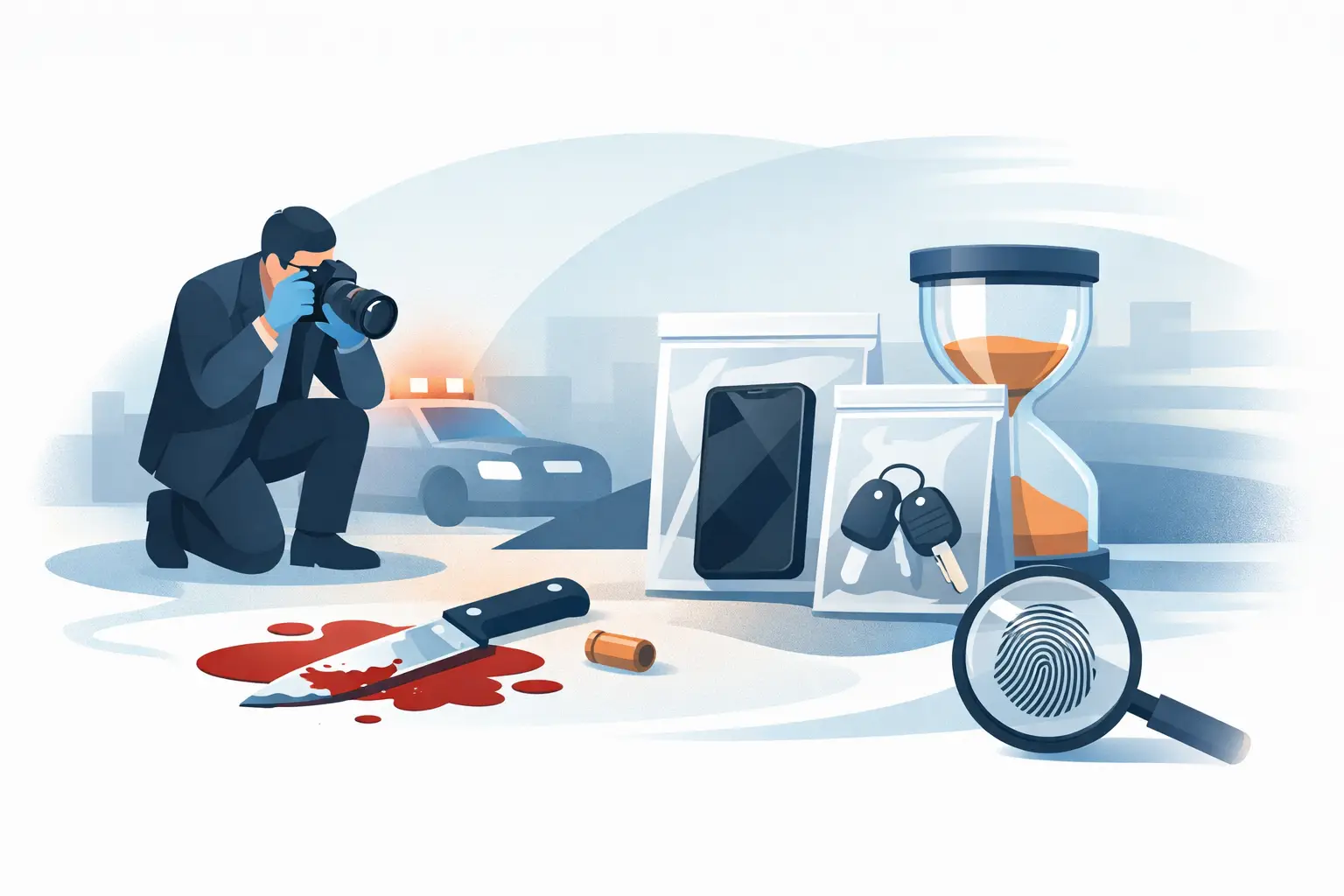
The time to investigate a phone extraction or surveillance video is not the week before trial. Original devices may be replaced, overwritten, reset, returned to their owners, or lost. Security-camera systems routinely record over old footage. Mobile carriers and online platforms may retain certain records only for limited periods.
Early legal intervention allows defense counsel to identify what must be preserved, what the government actually possesses, and what may be missing. It also allows the defense to examine the warrants, subpoenas, consent forms, and forensic procedures that led to the evidence in the first place.
A trial-ready approach does not accept a prosecutor's summary of what a phone, laptop, or account supposedly shows. It seeks the underlying material, relevant reports, extraction records, and the information needed to test the government's conclusion. In some matters, that means consulting an independent digital-forensics expert. In others, careful cross-examination of a fact witness or forensic examiner exposes the weakness without requiring competing expert testimony.
The Questions a Defense Should Ask
Authenticity challenges are fact-specific. A defense lawyer must understand both the technology and the prosecution's theory. Four areas often deserve immediate attention:
- Source and authorship: Can anyone reliably identify the person who sent a message, made a post, conducted a search, or used an account? Possession of a device does not always establish exclusive use.
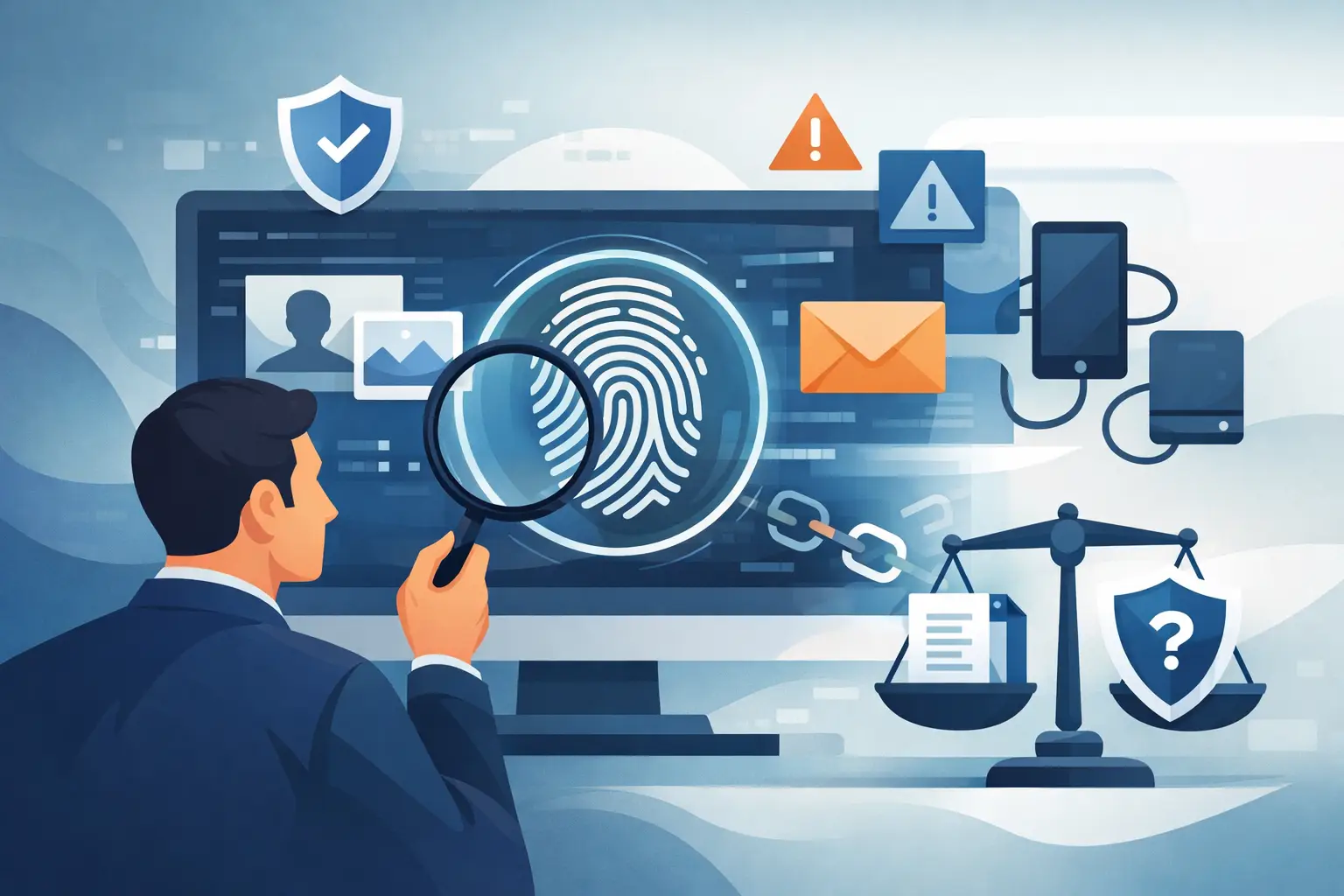
- File integrity: Is there evidence the original file remained unchanged? Metadata, hash values, audit logs, timestamps, and forensic extraction procedures may matter.
- Chain of custody: Who collected the device or data, where was it stored, who accessed it, and was it copied or converted? Gaps do not automatically exclude evidence, but they can affect reliability and credibility.
- Completeness and context: Has the government produced the full conversation, full video, full call log, or relevant surrounding data? A selective excerpt can create a false impression.
These issues often overlap. For example, a screenshot may appear to show a defendant admitting something. Yet the defense may discover there is no original device, no complete conversation thread, no account-access history, and no witness who can establish who actually sent the message. The screenshot may still be argued to a jury, but its weight can change dramatically once those limits are exposed.
Texts, Chats, and Social Media Accounts
Messages are among the most common forms of digital evidence, and among the most frequently overstated. A display name is not proof of identity. A phone number can be reassigned. An account can be hacked, shared, spoofed, or used by another person with access to the device or password.
The defense may examine whether the evidence came directly from the platform, from a forensic extraction, from a witness's personal screenshot, or from a copy that has traveled through multiple people. Each source presents different concerns. Platform records may offer useful account and transmission data, while screenshots may reveal little about creation, alteration, or omitted content.
Context also matters. A single message can be sarcastic, reactive, incomplete, or part of an exchange that points to a different conclusion. The prosecution should not be permitted to turn a fragment into a confession simply because the fragment is convenient.
Video, Audio, and Surveillance Footage
Video can feel especially convincing because jurors can see it for themselves. But footage is not neutral simply because it exists. Cameras may have inaccurate clocks, blind spots, poor resolution, missing frames, or recording gaps. A clip may be cropped, sped up, slowed down, enhanced, or exported in a format that loses important data.
A defense investigation may focus on the original recording system, not just the clip provided by law enforcement. It may examine whether all available camera angles were collected, whether the footage was continuous, and whether the date and time settings were verified. If identification is disputed, image quality, lighting, distance, obstructions, and viewing angle may be critical.
Audio raises similar issues. Background noise, transcription errors, unclear speakers, edited snippets, and interpretation of slang can all affect what an alleged recording proves. A transcript prepared by investigators is not a substitute for careful examination of the actual audio.
Cell Phone and Location Data
Cell-site records, GPS information, app data, and vehicle telematics can support or undermine a timeline. They are also frequently presented more precisely than the underlying technology permits. A cell tower connection may place a device within a general coverage area. It does not necessarily establish the user's exact location, identity, purpose, or route.
Likewise, location history may be affected by device settings, application permissions, network conditions, and gaps in collection. If a phone was in a car, office, home, or another person's possession, the location of the device may say very little about the location of the accused.
The defense should also examine whether investigators preserved the raw data or relied on maps, summaries, or reports created later. A polished visual presentation can conceal judgment calls about time zones, accuracy levels, and which data points were selected.
Authenticity Is Not the Only Fight
A file may be authentic and still be inadmissible or unhelpful to the prosecution. The defense must separately assess whether law enforcement obtained the material through a valid warrant, lawful consent, a proper subpoena, or another recognized legal process. Searches of phones and cloud accounts can raise significant constitutional and statutory issues.
There may also be hearsay problems, confrontation concerns, expert-witness limitations, discovery violations, or questions about whether the evidence is relevant at all. In federal cases, the rules governing electronically stored information and certifications can become especially important. In state cases, the procedures and evidentiary standards may differ.
This is why a meaningful digital-evidence defense is not limited to saying, “That is not my message.” It requires a coordinated review of collection, preservation, attribution, analysis, and courtroom presentation. The strongest argument depends on the record. Sometimes exclusion is realistic. Sometimes the better strategy is showing the jury why the evidence cannot carry the weight the government demands.
What to Do If Digital Evidence Is Part of Your Case
Do not delete messages, reset a device, alter an account, contact witnesses about their posts, or attempt to “clean up” online material. Those actions can create separate legal problems and may be portrayed as consciousness of guilt. Preserve what you have and get legal advice before responding to investigators, producing devices, consenting to a search, or discussing the facts with anyone outside your legal team.
If law enforcement has seized your phone or computer, or if you have received a subpoena, target letter, search warrant, or request for an interview, the deadline may be closer than it appears. The Law Offices of Paul D. Petruzzi, P.A. approaches high-stakes digital evidence with the urgency and trial preparation serious criminal exposure demands.
Digital files do not speak for themselves. Before a screenshot, recording, or data point is allowed to define your case, make sure someone has forced the government to prove where it came from, what it truly shows, and whether it can be trusted.
Last updated: August 31, 2026
Important Disclaimer
This article is for general informational purposes and does not constitute legal advice. Reading this article does not create an attorney–client relationship. If you need legal assistance, please contact us for a Free Consultation.