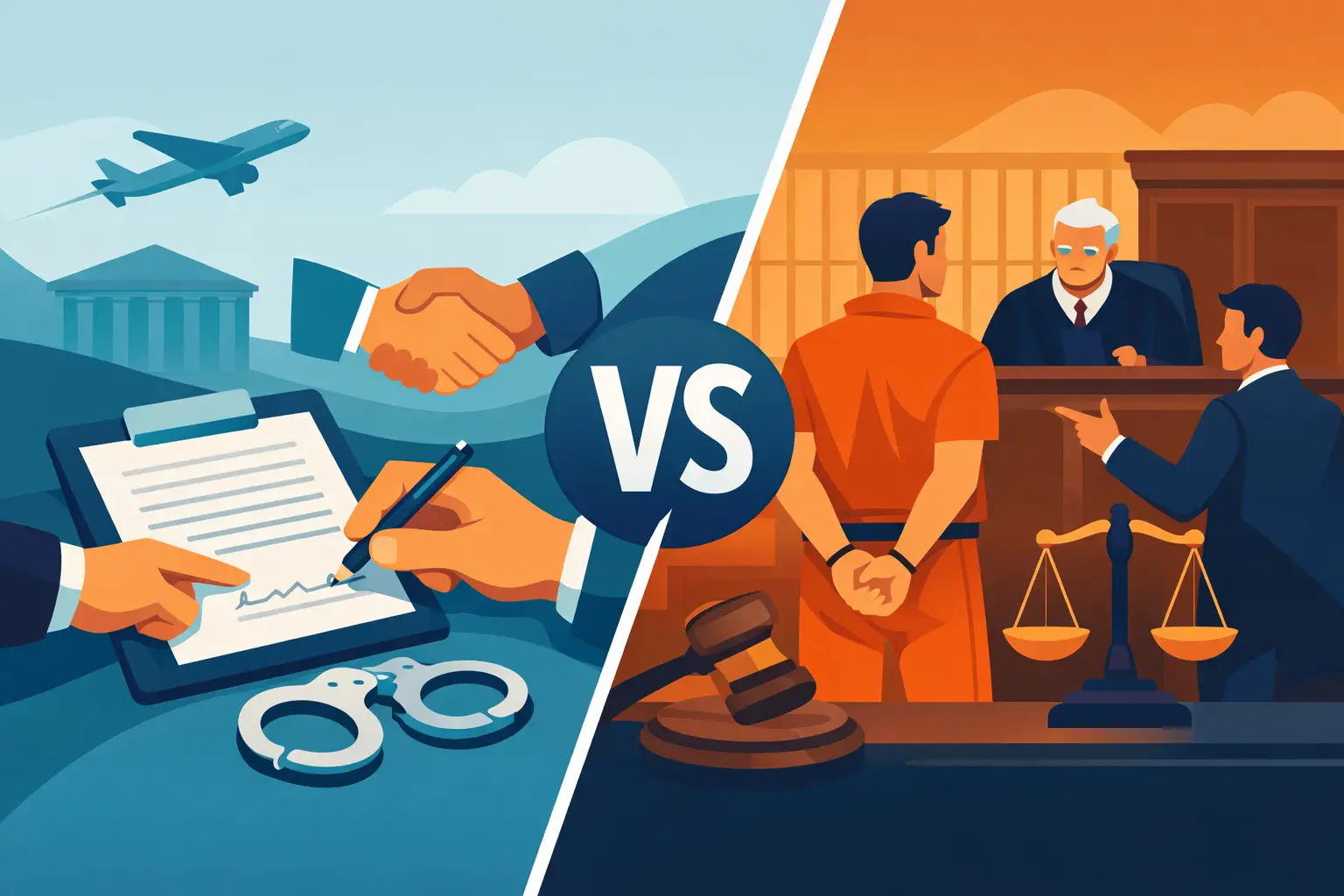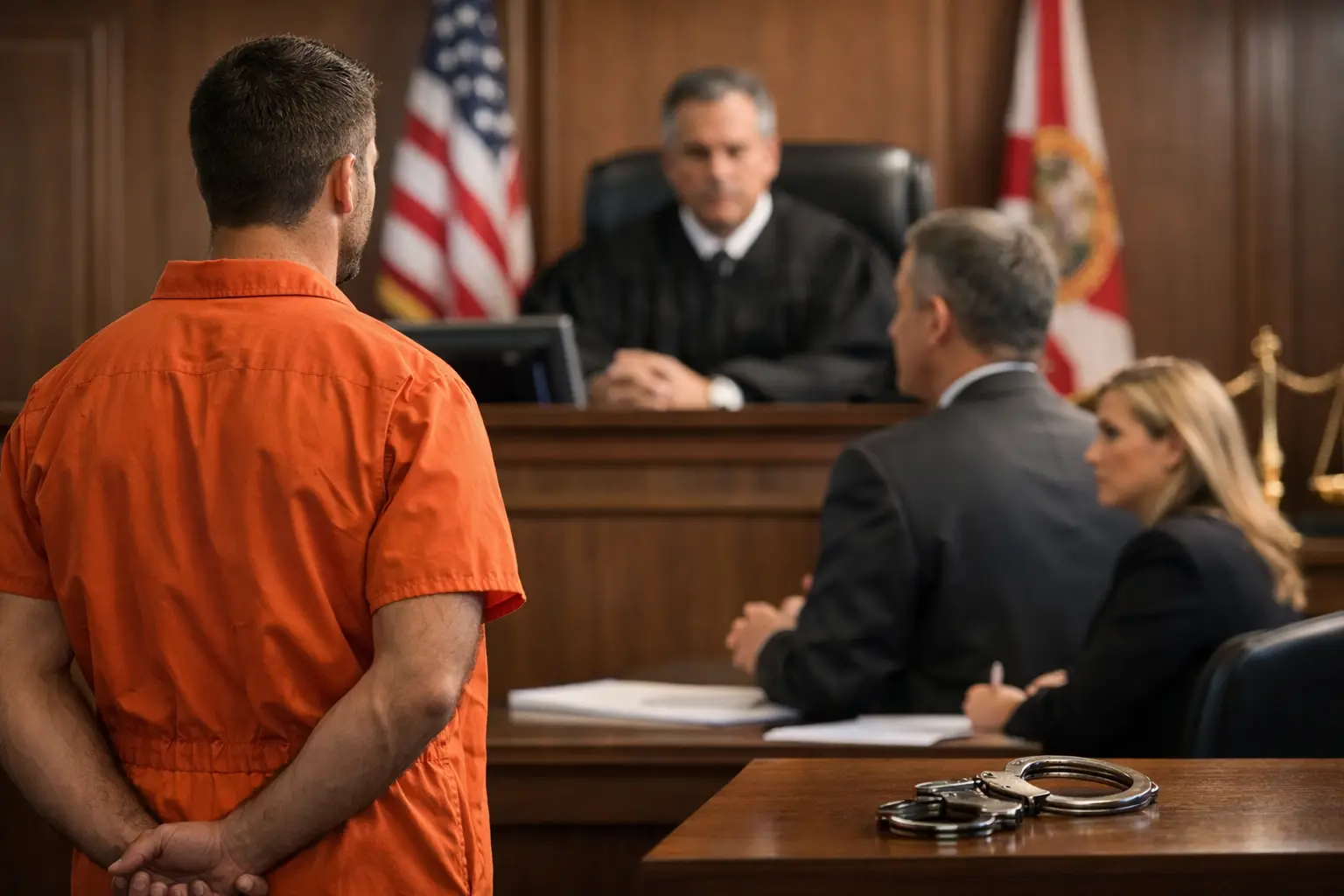
The first court date can feel more dangerous than the arrest itself. You are standing in front of a judge, the case is now public, and every decision starts to affect your freedom, record, and leverage. If you are asking what happens at arraignment, the short answer is this: the court formally tells you the charge, addresses your rights, and asks for a plea. The more important answer is that arraignment can shape the pace and posture of your defense from the very beginning.
For many people, arraignment sounds routine. Sometimes it is. But routine does not mean harmless. In state and federal criminal cases, early appearances matter because they create deadlines, trigger conditions, and expose mistakes that can be costly later. If you are facing charges in Miami or anywhere in South Florida, this is the point where a strategic defense lawyer should already be moving.
What happens at arraignment
At arraignment, the court calls your case, confirms your identity, and makes sure you understand the charge or charges filed against you. In many courts, the judge will either read the charges aloud or confirm that you have received the charging document. You are also advised of important constitutional rights, including the right to counsel.
The key event is the plea. In most criminal cases, the plea entered at arraignment is guilty, not guilty, or no contest. For defendants who are fighting the case, a not guilty plea is typically the right move because it preserves defenses, starts the litigation process, and avoids giving up rights too early.
The court may also address bond conditions, future court dates, and whether you must comply with restrictions while the case is pending. Depending on the charge, those restrictions may include travel limits, no-contact orders, drug testing, firearm prohibitions, or reporting requirements. For professionals, business owners, and non-citizens, these conditions can create immediate real-world consequences well beyond the courtroom.
What arraignment is not
Arraignment is not a trial, and it is not the moment when the prosecution has to prove the case. Witnesses generally do not testify. Evidence is not usually argued in full. The judge is not deciding guilt or innocence at this stage.
That matters because people sometimes panic and think they need to explain everything right there in court. That is usually a mistake. Arraignment is a procedural hearing, not your opportunity to tell your side informally. Anything said in court can affect the case later, especially if it touches facts, intent, or contact with alleged victims or witnesses.
A disciplined defense starts with knowing when to speak and when not to. In criminal court, timing is strategy.
Do you have to appear at arraignment?
It depends on the court, the charge, and whether your lawyer can file a written plea or waiver of appearance. In some misdemeanor cases, counsel may be able to appear on your behalf so you do not have to stand in court personally. In more serious felony matters, and particularly in federal court, personal appearance may be required.
This is one reason people should not assume all arraignments work the same way. A local county misdemeanor and a federal indictment in the Southern District of Florida operate very differently. The paperwork, judge, custody status, and bond issues can change the calculus fast.
If you miss a required arraignment, the court can issue a warrant for your arrest. That can turn a manageable situation into a custody problem overnight. Before the hearing date arrives, you want clarity on whether appearance is mandatory and what has to be filed in advance.
What plea should you enter at arraignment?
For most defendants who intend to challenge the case, the standard plea at arraignment is not guilty. That keeps the burden where it belongs - on the government. It also gives the defense time to review discovery, assess the legality of the stop, search, statement, seizure, identification procedure, or charging decision, and determine whether motions should be filed.
A guilty or no contest plea at arraignment is usually not something to rush into, especially in a high-stakes case. There may be defenses the defendant does not yet know about. There may be weaknesses in the prosecution's evidence. There may also be collateral consequences involving immigration, professional licenses, security clearances, forfeiture exposure, or future sentencing treatment.
There are exceptions. In some low-level matters with negotiated terms already in place, a quick resolution may be appropriate. But in serious state or federal prosecutions, early pleading without a full strategic review can cause damage that is hard to undo.
What happens after arraignment
Once arraignment is complete, the case moves into the next phase. That often includes discovery, motion practice, plea negotiations, status hearings, and trial preparation. If bond conditions are in place, compliance becomes critical from day one.
This period is where strong defense work earns its value. A case can sometimes be narrowed, challenged, or positioned for dismissal based on early factual development. Surveillance footage can disappear. Witness memories can shift. Digital evidence can be mishandled. Financial records may need immediate analysis. In conspiracy, fraud, narcotics, or violent crime cases, the defense cannot afford to wait passively for the prosecution's version of events to harden.
That is why arraignment should be viewed as the beginning of pressure, not the end of uncertainty. The right legal strategy often starts before the hearing and accelerates immediately after it.
What happens at arraignment if you are in custody?
If you are in custody, arraignment takes on added urgency. The court may address appointed counsel if you do not already have a lawyer. Bond, detention, or release conditions may be discussed depending on the procedural posture of the case. In some matters, especially federal cases or more serious felonies, detention issues may be handled in related hearings rather than being fully decided at arraignment itself.
Custody status changes everything. It affects leverage, access to documents, employment, family stability, and public exposure. It also creates pressure to make fast decisions. That pressure is exactly why experienced counsel matters. A person in custody needs a lawyer who is not merely appearing, but actively planning the next move.
State court vs. federal court arraignment
The phrase arraignment sounds universal, but the experience differs depending on where the case is filed. In Florida state court, arraignment often follows the filing of formal charges and may be brief, especially if counsel files a written plea of not guilty. In federal court, arraignment is more structured and often tied closely to the indictment, initial appearance, and detention or bond issues.
Federal cases also tend to involve heavier discovery issues, stricter pretrial conditions, and greater sentencing exposure. If the charge includes fraud, money laundering, drug trafficking, conspiracy, or other complex allegations, the arraignment is only the visible start of a far larger battle.
That is where trial-ready preparation matters. Early appearances are procedural, but the defense posture established there can influence negotiations, motions, and credibility with the court going forward.
Mistakes to avoid before and during arraignment
The most common mistake is going to arraignment without legal advice because it looks simple on paper. Another is assuming the court will explain everything in a way that protects you. The court's role is not to build your defense.
A close second is talking too much. Do not try to argue facts, justify conduct, or correct the police report in open court. Do not contact alleged victims or witnesses if a no-contact order may apply. Do not assume a minor-sounding charge is minor for immigration, licensing, or professional reputation purposes.
And do not ignore the calendar. Court dates, filing deadlines, and compliance conditions start to matter immediately. One missed appearance or one violation of release conditions can create a new problem on top of the original charge.
Why early defense strategy matters most
What happens at arraignment is straightforward. What happens around arraignment is where cases are won or made much harder. A defense lawyer should be evaluating the charging document, custody status, bond terms, exposure, defenses, and collateral consequences before the case starts moving on its own momentum.
That is especially true in serious Miami-area and federal matters, where allegations can threaten far more than a criminal record. Your job, your professional standing, your immigration status, your assets, and your family life may all be on the line. Early intervention gives the defense the best chance to control risk rather than react to it.
The Law Offices of Paul D. Petruzzi, P.A. approaches criminal cases with that reality in mind. Arraignment is not treated as a formality. It is treated as an opening move in a case that must be prepared carefully, aggressively, and with trial readiness from the start.
If your arraignment is approaching, the most useful next step is not guessing what the court might do. It is making sure someone is already protecting what the court cannot: your strategy, your rights, and your position before the stakes get even higher.
Last updated: May 26, 2026
Important Disclaimer
This article is for general informational purposes and does not constitute legal advice. Reading this article does not create an attorney–client relationship. If you need legal assistance, please contact us for a Free Consultation.