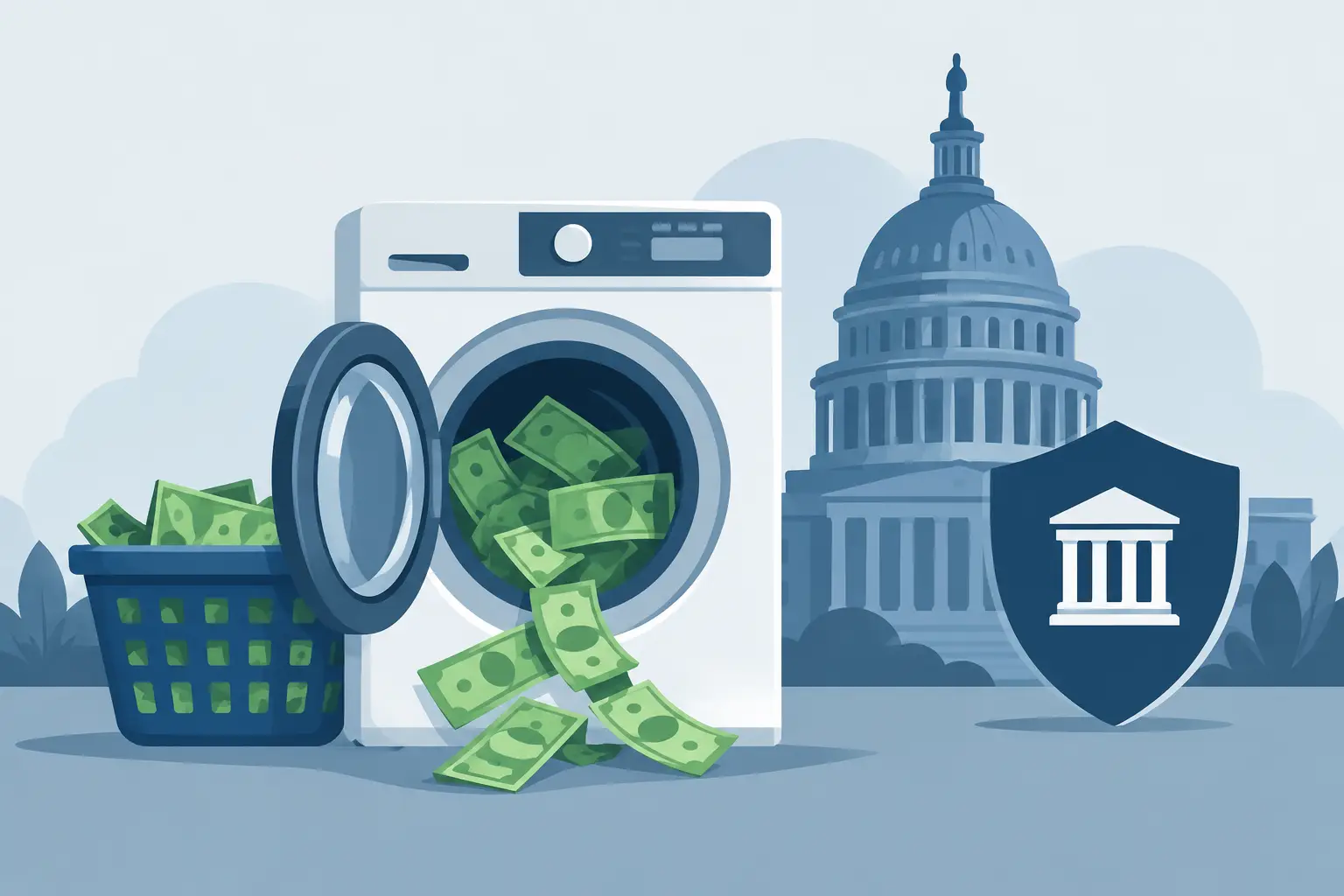
A wire transfer, cryptocurrency transaction, cash deposit, or business payment can draw law enforcement attention long before anyone is arrested. Current money laundering trends are changing how federal agents and prosecutors identify financial activity they believe is connected to crime, particularly in international financial centers such as Miami. But a suspicious transaction is not the same thing as proof of money laundering, and the steps taken early in an investigation can significantly affect the course of a case.
For a person who has received a subpoena, learned that a bank account has been frozen, or been contacted by federal agents, the immediate concern is usually practical: What are investigators looking for, and what should I do now? The answer depends on the source of the funds, the transactions involved, communications between the people involved, and whether the government can prove the required knowledge and intent.
Money Laundering Trends Affecting Miami Investigations
Miami-Dade County is a major hub for international commerce, real estate, banking, logistics, and travel. Those legitimate activities can also create transaction patterns that receive closer scrutiny from agencies such as the FBI, DEA, IRS Criminal Investigation, Homeland Security Investigations, and the U.S. Attorney's Office for the Southern District of Florida.
One continuing trend is greater reliance on financial data analysis. Investigators can compare bank records, currency transaction reports, business filings, travel data, phone records, and communications to identify relationships they believe show the movement or concealment of criminal proceeds. Financial cases are often built slowly. An investigation may begin with another alleged offense, such as health care fraud, wire fraud, drug trafficking, or an unlicensed money-transmitting operation, then expand into alleged money laundering or conspiracy.
Digital assets are also receiving sustained attention. Cryptocurrency is not inherently illegal, and many people use it for legitimate investment or business purposes. Still, prosecutors may examine transfers between exchanges, private wallets, payment platforms, and overseas counterparties when they believe the transactions were designed to hide the source, ownership, or control of funds. The relevant legal issue is rarely the technology alone. It is whether the government can prove that a person knew the funds represented proceeds of specified unlawful activity and acted with the intent required by the statute.
Cash-intensive businesses remain a frequent focus. Restaurants, convenience stores, nightclubs, import-export businesses, and other enterprises that routinely handle cash may face questions when deposits appear inconsistent with reported revenue or when funds move through multiple accounts without an evident business purpose. Legitimate businesses can be caught in an investigation when employees, customers, vendors, or business partners are suspected of unlawful conduct.
Other patterns commonly alleged in federal cases include structuring cash transactions to avoid reporting requirements, using nominees or shell companies, moving funds through layered domestic and foreign accounts, and disguising transfers as loans, consulting payments, payroll, or invoices. Trade-based allegations may involve claims that goods were overvalued, undervalued, or falsely documented to move value across borders. These methods are not new, but data-sharing and cross-border cooperation can make them easier for investigators to trace.
How Money Laundering Cases Are Usually Built
Federal money laundering charges often arise under 18 U.S.C. §§ 1956 and 1957. Section 1956 covers several types of transactions involving criminal proceeds, including transactions intended to promote unlawful activity, conceal the nature or source of funds, or avoid reporting requirements. Section 1957 generally addresses knowingly engaging in a monetary transaction of more than $10,000 in criminally derived property.
Florida also has its own money laundering statute, section 896.101 of the Florida Statutes. Depending on the allegations, a case may proceed in state court, federal court, or involve parallel investigative activity. Federal jurisdiction is common where transactions cross state or national borders, involve federally insured financial institutions, use wires, or are tied to an alleged federal offense.
A prosecutor does not need to show that someone personally committed the underlying crime in every case. However, the government must prove the statutory elements beyond a reasonable doubt at trial. Knowledge is often central. Did the person know the money came from unlawful activity? Did the person intend to conceal its source or ownership? Was there a legitimate explanation for the transaction, the account structure, or the business relationship?
Those questions are fact-specific. A family member who receives funds, an employee who follows instructions, a professional who handles a transaction, or a business owner dealing with a problematic partner may have a very different level of knowledge and involvement than the person who allegedly generated illegal proceeds. Investigators may nevertheless use broad theories of aiding and abetting or conspiracy. That is why casual assumptions about “just moving money” can be dangerous in a criminal investigation.
Financial Red Flags Are Not Proof of a Crime
Banks and other financial institutions have compliance obligations and may file reports when activity appears unusual. Account closures, delayed transfers, requests for documentation, or reports to authorities can occur without a criminal charge. A compliance concern is not a judicial finding that a customer committed a crime.
Likewise, transactions below $10,000 are not automatically unlawful, and a cash deposit above $10,000 is not automatically evidence of wrongdoing. The legal problem can arise when transactions are intentionally divided for the purpose of evading reporting requirements, often called structuring. Intent matters, and the surrounding facts matter.
People sometimes make the situation worse by attempting to explain transactions to bank personnel, investigators, or associates before they understand the scope of the inquiry. Inconsistent statements, deleted messages, altered records, or efforts to move assets after receiving notice of an investigation can create separate legal problems. Do not destroy documents or electronic information. Preserve records and seek legal advice before responding substantively.
What to Do When Agents, a Bank, or a Grand Jury Contacts You
If federal agents ask to speak with you, you generally have the right to decline a voluntary interview and consult counsel first. Being polite does not require answering questions. Agents may say they only want your side of the story, but statements made without a full understanding of the investigation can be used against you or others.
A grand jury subpoena requires prompt and careful attention. Ignoring it is not an option, but neither is assuming that every requested record should be produced without legal review. A criminal defense attorney can assess the subpoena's scope, applicable deadlines, potential privileges, document-preservation obligations, and whether communications with the government are appropriate.
If an account is restrained or property is seized, act quickly. Civil or criminal forfeiture proceedings can have strict response deadlines. Funds used for payroll, rent, legal expenses, or ordinary living costs may be critically important, but access is not automatic. Early legal analysis can identify available procedures and protect against avoidable mistakes.
It is also wise to preserve a clear record of legitimate transactions. Gather, but do not alter, contracts, invoices, tax records, loan documents, correspondence, shipping records, corporate documents, and account statements. Context can matter greatly. A transfer that appears unusual in isolation may be consistent with a documented investment, sale, loan repayment, or ordinary cross-border business activity.
Defense Considerations in a Money Laundering Matter
A meaningful defense begins with the evidence, not a one-size-fits-all theory. Counsel may examine whether investigators can establish a sufficient connection between the funds and alleged criminal activity, whether the client had the necessary knowledge, and whether transactions had lawful business explanations. The timing and wording of communications, the role each person played, and the reliability of cooperating witnesses can all be important.
Constitutional issues may also require close review. Financial records can be obtained through subpoenas and other legal processes, but investigators must follow applicable procedures. Search warrants, seizures, electronic surveillance, statements to law enforcement, and digital evidence should be evaluated for legal and factual weaknesses. In some cases, the most important work occurs before charges are filed, when counsel can respond to allegations, clarify misunderstandings, and prepare for potential charging decisions.
Money laundering allegations can carry serious penalties, substantial financial exposure, forfeiture risks, and professional consequences. They also frequently appear alongside fraud, narcotics, conspiracy, or RICO charges, increasing the complexity of the case. A person under investigation should avoid discussing the matter with potential witnesses or co-defendants and should not rely on informal assurances from investigators.
If you are facing questions about financial transactions in Miami or the Southern District of Florida, obtain legal advice before giving a statement, producing sensitive records, or making decisions about restrained assets. A qualified Miami criminal defense attorney can evaluate the facts, protect your rights, and help you make informed decisions while the stakes are still high.
Last updated: November 12, 2026
Important Disclaimer
This article is for general informational purposes and does not constitute legal advice. Reading this article does not create an attorney–client relationship. If you need legal assistance, please contact us for a Free Consultation.