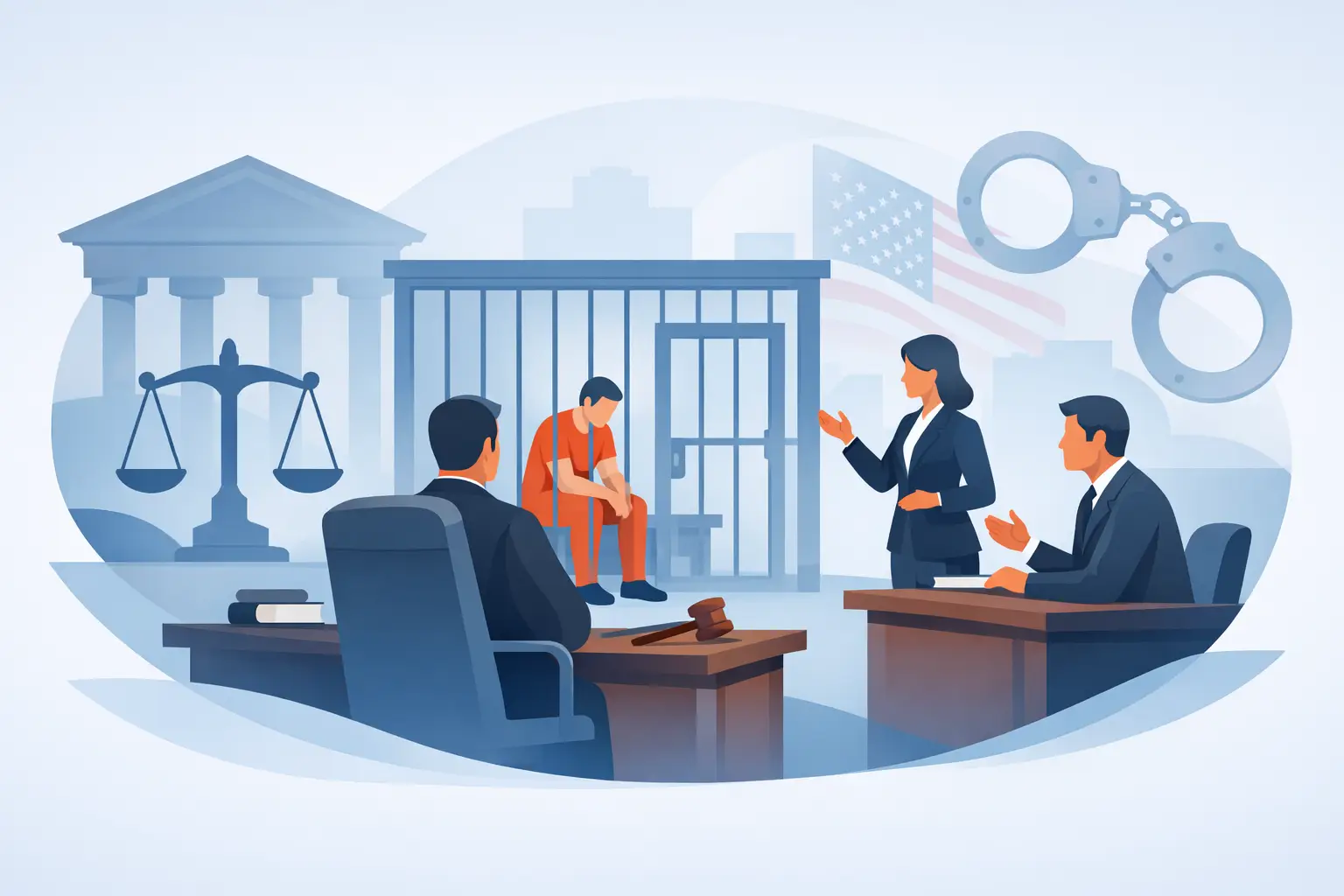
When a detective calls and says they "just want to ask a few questions," the case may already be moving faster than you think. If you are searching for how to handle police interview situations, the most important point is this: an interview is not a casual conversation. It is an evidence-gathering event, and what you say can affect your freedom, your reputation, your job, and your future.
People often make the mistake of treating a police interview like a chance to clear things up. Sometimes they believe that if they are polite, cooperative, and honest, the officers will see they have nothing to hide. That belief can be costly. Even truthful statements can be misunderstood, taken out of context, or compared against texts, surveillance, banking records, social media, phone data, or statements from other witnesses. Once you speak, you do not control how your words are interpreted.
How to handle police interview requests early
The first decision matters most. If law enforcement contacts you by phone, comes to your home, approaches you at work, or asks you to come down to the station, do not rush to explain yourself. Stay calm, be respectful, and do not argue. You can say that you want a lawyer before answering questions.
That is not an admission of guilt. It is a protection. Investigators are trained to gather statements. Their job is not to protect you from making a damaging comment, agreeing to a harmful timeline, or volunteering facts that open new areas of inquiry.
Early intervention is often where strong defense work begins. Before any interview happens, a lawyer may be able to identify whether you are a witness, a subject, or a target, whether there is a warrant in play, whether documents or devices are likely to be requested, and whether speaking at all serves your interests. In many cases, the right move is not to sit for an interview without counsel present. In some cases, the right move is not to sit for an interview at all.
Why a police interview is riskier than people assume
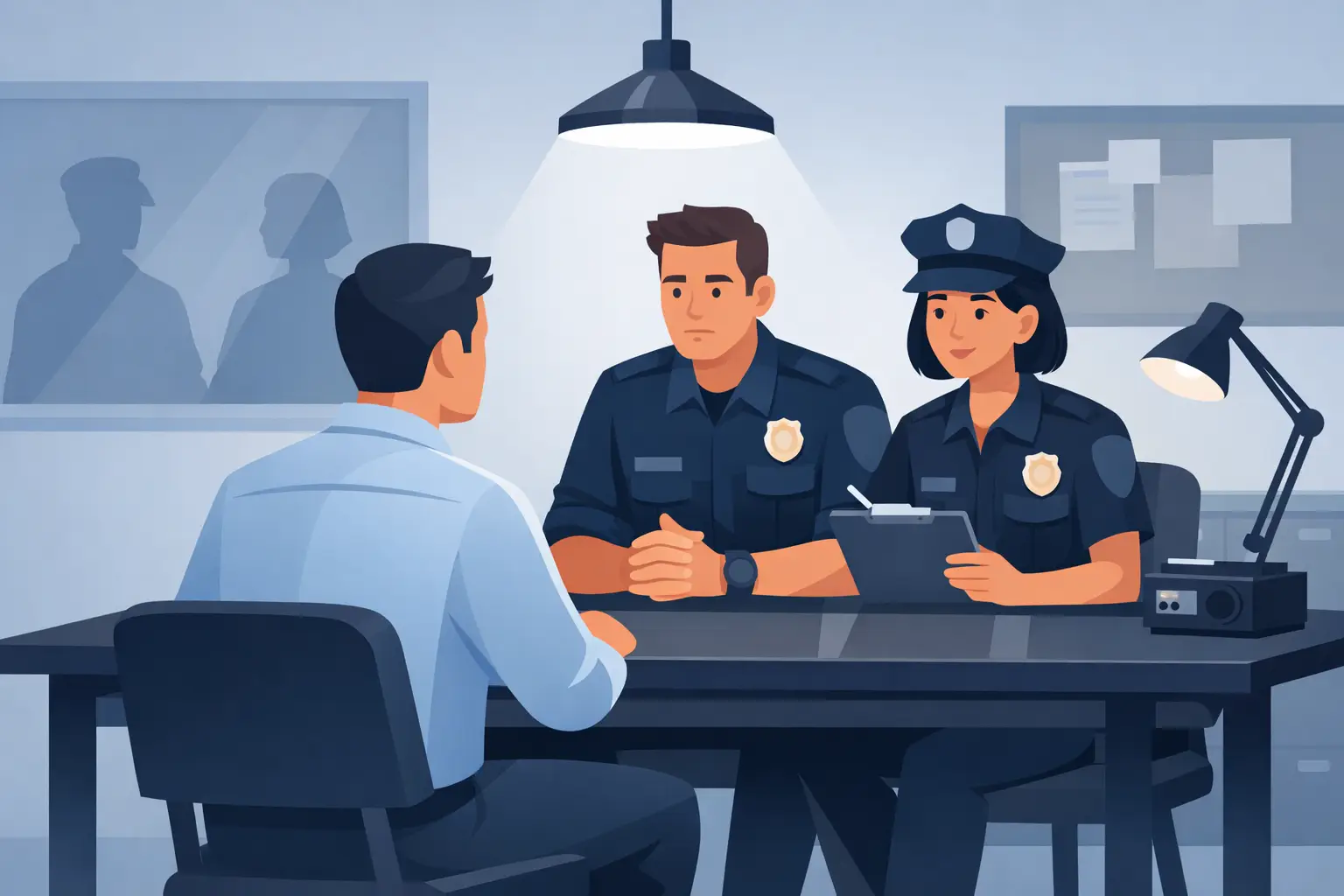
A police interview can feel informal by design. The setting may look relaxed. The officer may say you are not under arrest. The detective may say this is your chance to tell your side. None of that changes the risk.
Investigators may already know far more than they reveal. They may have partial records, statements from other people, undercover information, search results, or digital evidence. They may also use silence, repetition, selective disclosure, or leading questions to lock you into details. If your memory is imperfect on timing, names, transactions, or locations, that gap can be framed as dishonesty.
This becomes even more serious in white collar cases, drug investigations, conspiracy cases, domestic violence allegations, sex crime investigations, theft matters, probation issues, and federal matters in the Southern District of Florida. In those cases, one interview can shape charging decisions, search warrant applications, detention arguments, and negotiations before a case is ever filed.
Are you a witness, subject, or target?
This distinction matters, but you should not rely on an officer's label. A witness may become a subject. A subject may become a defendant. And sometimes investigators intentionally keep that line vague.
If officers say you are "not in trouble," that does not mean speaking is safe. It means you should be even more careful. The less clarity you have about your exposure, the more dangerous it is to guess your way through an interview.
Voluntary does not mean harmless
Many interviews are technically voluntary. That only means you may not be under arrest at that moment. It does not mean the interview cannot be used against you later. Voluntary statements can be some of the strongest evidence prosecutors rely on because they are presented as your own words, freely given.
What to do before any interview starts
If police contact you, your first move should be to slow the situation down. Get the officer's name, agency, and contact information if possible. Ask whether they have a warrant, subpoena, or formal request. Do not consent to a search because you feel pressured to appear cooperative.
Do not start explaining facts on the sidewalk, in your doorway, in the parking lot, or over the phone. Those moments feel unofficial, but they are often where people do the most damage. A short statement like, "I want to speak with my attorney before answering questions," is enough.
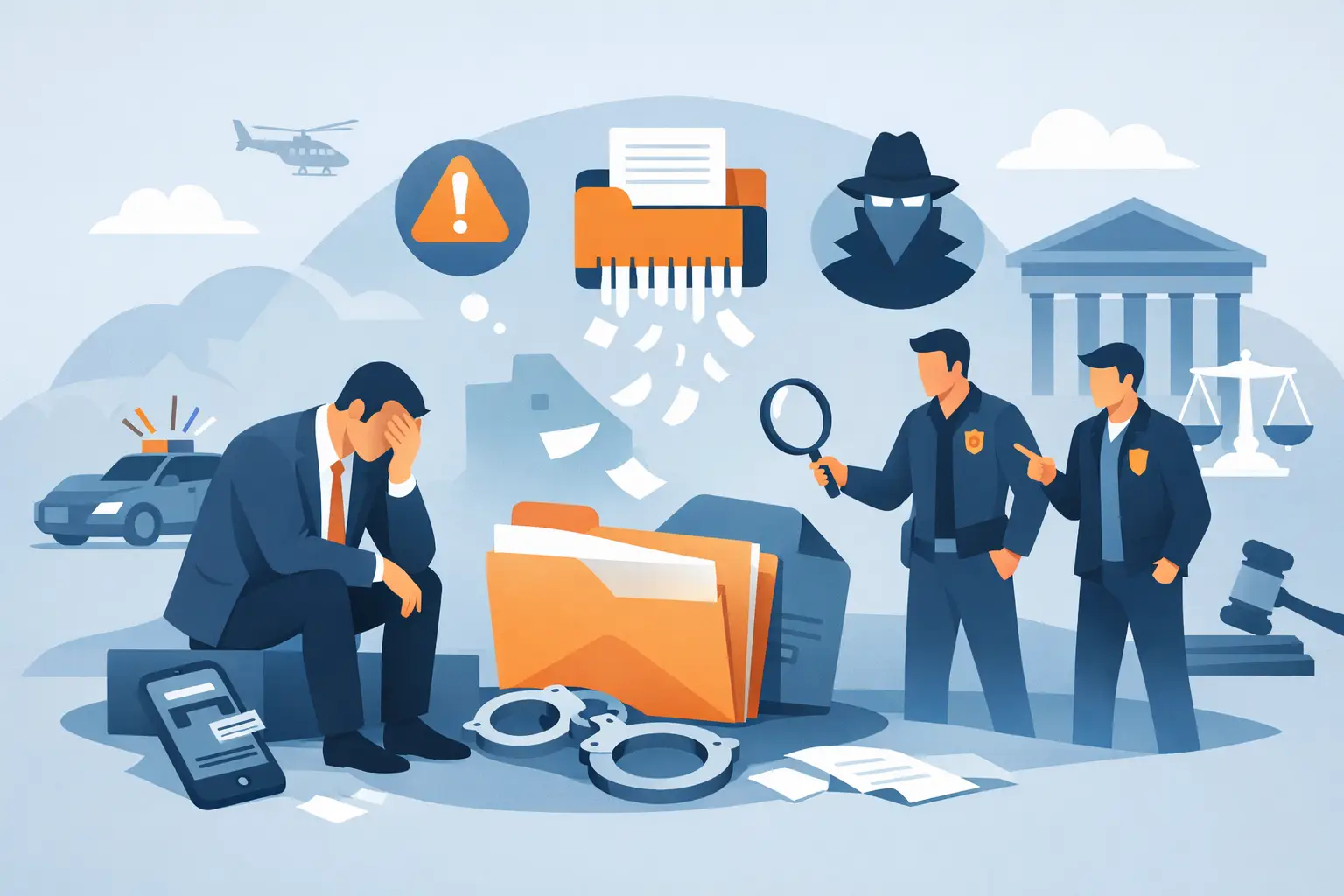
Do not destroy documents, delete messages, coach witnesses, or try to "fix" the situation yourself. Those reactions can create new legal problems and make a manageable case much worse.
If the matter involves business records, financial transactions, international travel, immigration concerns, professional licensing, or seized assets, the stakes are even higher. The interview may be one part of a much larger investigation. Strategic legal counsel should come first, not after the statement is already made.
How to handle police interview pressure in the room
If you are already at an interview or officers begin questioning you unexpectedly, the same rule applies: stay calm and invoke your right to counsel clearly. Do not debate. Do not fill silence. Do not try to outtalk trained investigators.
A few practical points help. Keep your tone respectful. Do not lie. Do not guess. Do not adopt the officer's version of events just to end the conversation. If you have asked for a lawyer, keep repeating that you do not want to answer questions without counsel.
People under stress often speak because silence feels awkward. That instinct can be costly. Investigators know that many people talk to reduce tension, correct an accusation, or seem helpful. But once you start answering, you may end up discussing topics you were not prepared for.
If you already started talking
Stop as soon as you realize what is happening. You can still say that you want an attorney and do not wish to answer further questions. It is better to stop late than not stop at all.
If you signed anything, consented to anything, or made statements before getting legal advice, tell your lawyer exactly what happened. Do not minimize it out of embarrassment. Defense strategy depends on precision.
Common mistakes that hurt good cases
The most common mistake is believing innocence alone makes an interview safe. Innocent people can be inconsistent, nervous, mistaken on dates, overly talkative, or manipulated by the way questions are framed.
Another mistake is assuming that asking for a lawyer makes you look guilty. Experienced defense counsel sees the opposite every day. Protecting your rights is what careful people do when the stakes are real.
A third mistake is trying to manage the issue privately because of reputation concerns. Professionals, executives, and business owners often fear publicity, licensing exposure, immigration fallout, or employer consequences. That pressure leads some people to meet quietly with investigators in hopes of making the matter disappear. Sometimes that choice gives the government a statement it would not otherwise have obtained.
Family members can also unintentionally make things worse by calling officers, offering background information, surrendering devices, or encouraging a loved one to "just go explain it." Good intentions are not a legal strategy.
When speaking may happen - and why timing controls everything
There are situations where a lawyer may decide that communication with law enforcement is useful. But that is a strategic decision, not a reflex. It depends on the facts, the evidence, your legal exposure, and the stage of the investigation.
Sometimes counsel can provide information in a controlled way. Sometimes counsel can limit scope, set conditions, or determine that no interview should occur. Sometimes the best move is to prepare for charges, address search issues, protect assets, or begin defense planning before the government makes its next move.
That is why how to handle police interview situations is really about legal timing and control. The issue is not whether you have something to hide. The issue is whether you understand the consequences of speaking before the defense has a strategy.
At The Law Offices of Paul D. Petruzzi, P.A., this is treated for what it is: a critical point in the life of a case. Early legal action can protect more than your immediate rights. It can protect your record, your leverage, and your options.
If police want to talk, treat that moment seriously. You do not need to be aggressive, and you do not need to panic. You need to be careful enough to stop, get counsel, and make your next move with a plan instead of a hope.
Last updated: July 1, 2026
Important Disclaimer
This article is for general informational purposes and does not constitute legal advice. Reading this article does not create an attorney–client relationship. If you need legal assistance, please contact us for a Free Consultation.