The first appearance after an arrest can shape everything that follows. If you need a bond hearing lawyer Miami residents can call quickly, the issue is not just getting out of jail. It is protecting your position from the very start, limiting damage, and putting a serious defense strategy in motion before the case gains momentum against you.
A bond hearing happens early, often while families are still trying to understand what the charges mean. That makes this stage easy to underestimate. It should not be underestimated. What is said in court, what information is presented, and what the judge believes about risk can affect release conditions, pressure on the accused, and the direction of the case itself.
Why a bond hearing matters so much
Bond is not a formality. It is the court's decision about whether someone should be released while the criminal case is pending, and if so, under what terms. In Miami-Dade, that decision can affect employment, family stability, immigration concerns, business operations, and the ability to help build a defense.
A person held in custody is at a real disadvantage. It is harder to meet with counsel, gather records, identify witnesses, and maintain control over personal and financial obligations. For professionals, executives, and business owners, even a short detention can trigger consequences that go far beyond the courtroom. For non-citizens, the stakes can be even higher because release decisions may overlap with immigration concerns and future detention issues.
That is why early legal action matters. A prepared defense lawyer is not only asking for release. Counsel is framing the client's background, addressing risk factors, countering assumptions made by the prosecution, and positioning the case for the next fight.
What a bond hearing lawyer in Miami actually does
A bond hearing lawyer in Miami should do much more than make a generic request for a lower amount. The work begins before the hearing itself. Counsel should review the arrest allegations, identify facts that may increase or decrease perceived danger, examine criminal history issues, and prepare a focused presentation tailored to the judge's concerns.
At the hearing, the court typically considers whether the accused is a flight risk, whether release would endanger the community, and whether there are reasons to impose conditions beyond money bond. Those conditions may include travel restrictions, GPS monitoring, surrender of passports, house arrest, drug testing, no-contact orders, or pretrial supervision.
A strong lawyer addresses those issues directly. If the prosecution claims the client has resources to flee, that claim needs a response grounded in facts. If the state points to the seriousness of the allegations, the defense should be ready to separate allegations from proof and show why restrictive release is enough. If family support, stable employment, medical needs, or long-standing community ties matter, they should be presented clearly and credibly.
This is not the stage for improvisation. Judges hear bond arguments every day. They respond to preparation, accuracy, and command of the record.
What judges look at in a Miami bond hearing
Every case turns on its own facts, but some factors appear again and again. The court may look at the charged offense, the alleged facts, prior convictions, probation status, failures to appear, ties to the community, employment history, family support, and access to money or international travel.
Some charges create steeper obstacles than others. Violent allegations, trafficking accusations, firearm charges, organized fraud, and cases involving large sums of money often raise immediate concerns about danger or flight. In some situations, the court may be asked to hold the defendant without bond. In others, the issue is whether strict conditions can reduce perceived risk enough to justify release.
That is where nuance matters. A serious charge does not automatically mean detention is appropriate. But it does mean the defense needs to be realistic, strategic, and ready with a plan. Sometimes the right move is to push for release immediately. In other cases, counsel may need to gather records, line up witnesses, or address specific concerns before the strongest bond presentation can be made.
Why timing can change the outcome
Delay helps the prosecution. Early intervention gives the defense room to shape the first impression the court receives. That can matter if law enforcement reports are incomplete, if the allegations are being overstated, or if there are facts about the accused that no one has yet put before the judge.
Families often focus first on posting bond, finding out where a loved one is being held, or trying to get answers from the jail. Those are understandable priorities. But the legal response should begin immediately. The earlier counsel gets involved, the sooner the defense can evaluate whether a standard bond applies, whether a special hearing is necessary, and whether the case presents issues that require a more aggressive approach.
In complex matters, especially federal or multi-agency investigations, the bond issue may be tied to broader strategic decisions. Statements made in panic, rushed explanations to agents, and poorly handled communications with co-defendants or witnesses can create fresh problems. A bond hearing lawyer should help control that damage from the start.
State court and federal court are not the same
Anyone looking for a bond hearing lawyer Miami defendants can rely on should understand one basic point: state and federal detention decisions are different in important ways.
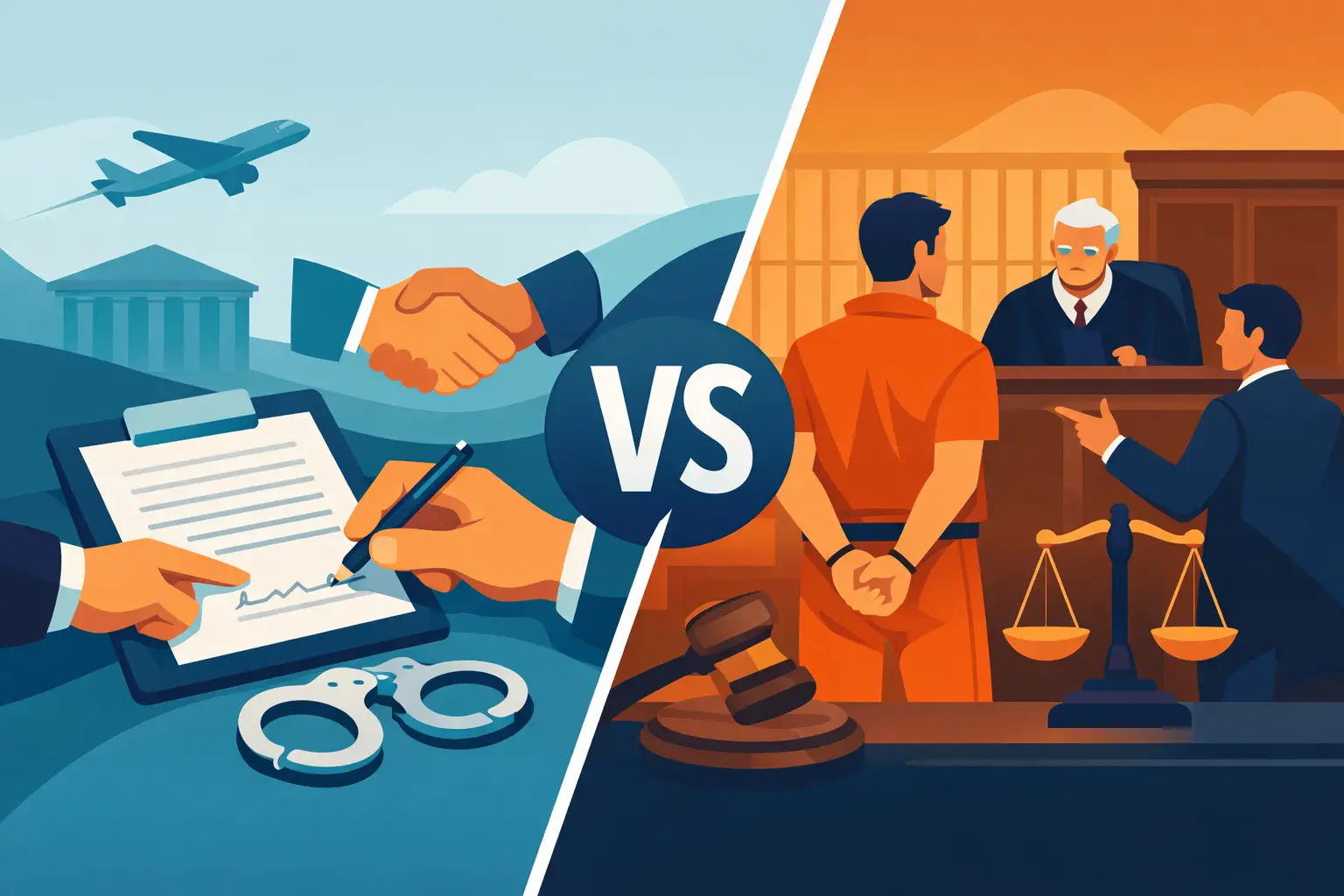
In state court, bond schedules may apply in some cases, but judges still have significant discretion depending on the charge and the accused's history. In federal court, detention and release are governed by a different framework, and the government may seek pretrial detention based on danger or flight risk. Certain federal allegations can trigger presumptions that make release harder to secure.
That does not mean release is impossible. It means the defense has to be disciplined. Federal judges expect detailed, credible arguments supported by facts, and the government will often be prepared to emphasize financial records, travel history, alleged access to resources, or the scale of the alleged conduct. A lawyer with real experience in the Southern District of Florida understands how to prepare for that fight.
The mistake people make after an arrest
One of the most common mistakes is treating the bond hearing as separate from the defense case. It is not separate. It is the first contested stage where the court begins evaluating the accused as a person and the allegations as a threat level.
Another mistake is assuming that if a bond amount is set, the problem is solved. A bad bond outcome can still cause serious damage even if release becomes possible later. Excessive conditions can restrict travel, interfere with business operations, limit contact with key people, and create traps that lead to violations. Terms of release should be reviewed carefully, not accepted blindly.
There is also a reputational issue. In high-profile or professionally sensitive cases, the first court appearance can set the tone for what employers, licensing bodies, business partners, and family members believe. The defense should approach that moment with control.
How to help your lawyer before the hearing
If you are a family member or close contact, useful information can make a difference quickly. A lawyer may need proof of employment, evidence of residence, immigration documents, medical records, information about family responsibilities, or names of people willing to appear in support. In some cases, financial information matters because the court will look at ability to post bond and access to funds.
Accuracy matters more than volume. Exaggerated claims or incomplete explanations can hurt credibility. The strongest bond arguments are usually grounded in records, verified background, and a realistic release plan. That may include where the person will live, how transportation will work, what supervision is available, and why the court can trust compliance.
When the case feels bigger than a standard arrest
Some cases carry risks that go beyond a routine bond request. If the allegations involve fraud, conspiracy, trafficking, violence, repeated charges, probation violations, or interstate or international issues, bond is often only one part of a larger legal emergency. Asset exposure, immigration problems, parallel investigations, and media attention can all complicate the picture.
That is where experienced counsel matters most. A trial-ready defense lawyer looks beyond the immediate hearing and starts planning for suppression issues, witness problems, charging decisions, and long-term case posture. The bond hearing becomes part of a larger strategy rather than a short-term scramble.
The Law Offices of Paul D. Petruzzi, P.A. approaches these cases with that level of urgency and preparation because early decisions often shape later outcomes.
Choosing the right bond hearing lawyer in Miami
When freedom, reputation, and leverage are on the line, you want more than someone who can stand next to you in court. You want counsel who can assess risk fast, communicate clearly under pressure, and make arguments that hold up before skeptical judges. You also want a lawyer who understands that some clients face consequences far beyond jail time, including professional discipline, financial loss, family disruption, and immigration exposure.
A bond hearing is an early test of whether the defense is reacting or leading. The right lawyer uses that moment to restore some control, challenge the prosecution's narrative, and start protecting what matters most. If an arrest has happened or appears imminent, waiting rarely helps. Fast, strategic action does.
Last updated: May 20, 2026
Important Disclaimer
This article is for general informational purposes and does not constitute legal advice. Reading this article does not create an attorney–client relationship. If you need legal assistance, please contact us for a Free Consultation.